
For the past decade, “sustainability” has been a marketing buzzword for packaging. In 2026, it has become a compliance obligation — and the brands that treat it as a legal and strategic requirement, rather than a slogan, are the ones winning shelf space, e-commerce carts and investor confidence.
This shift is being driven by three forces moving in the same direction: stricter regulation, savvier consumers, and a packaging industry that has finally industrialized genuinely recyclable materials. Here is what is changing in 2026 and how your brand can respond.
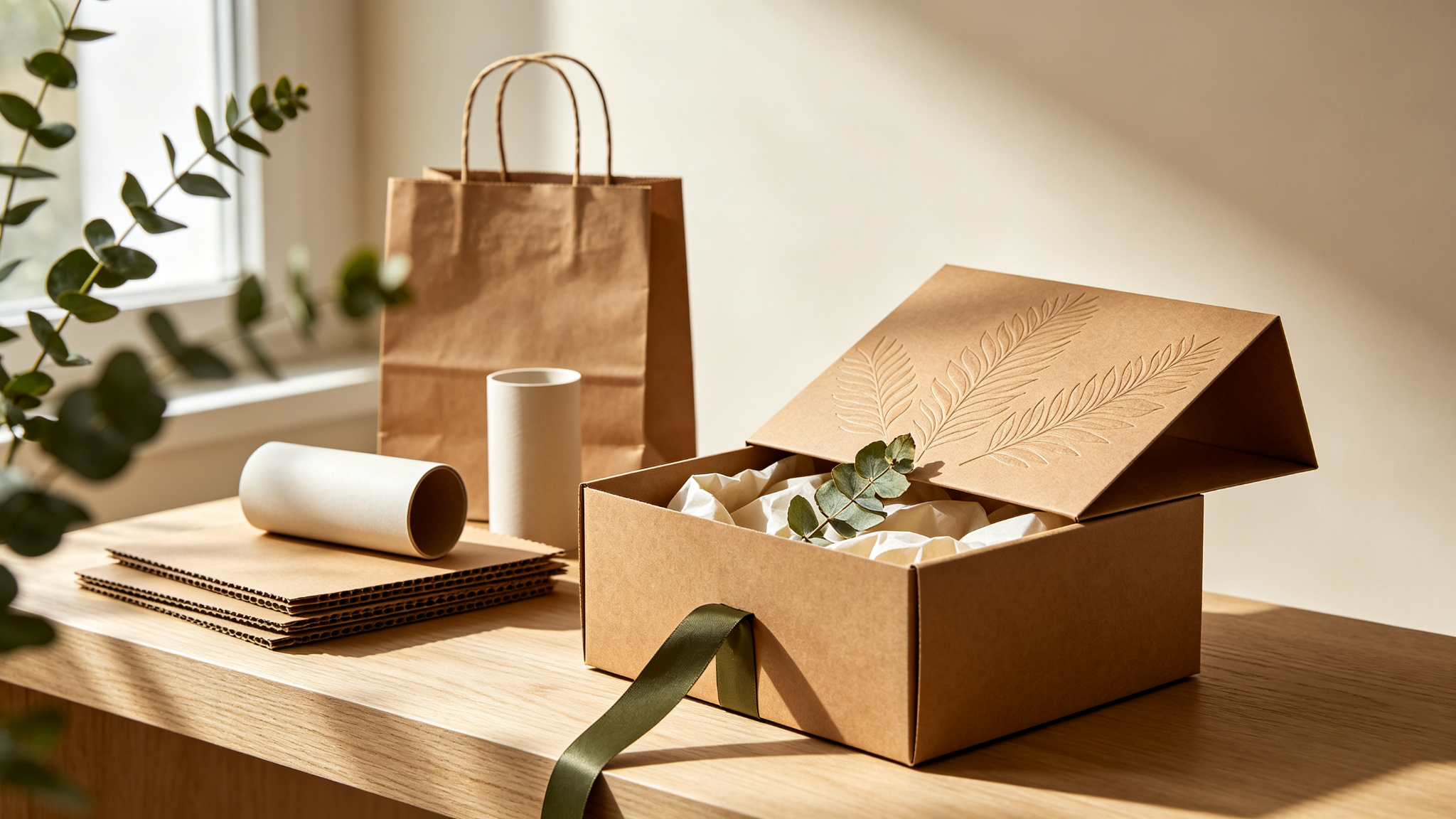
The Five Packaging Trends Defining 2026
Every year, market intelligence firm Innova Market Insights names the trends that will define the year ahead. Its Top Packaging Trends 2026 list gives a clear picture of where the industry is heading:
- Substantiated Sustainability— consumers and regulators want environmental claims that are verified, not just stated.
- Digital-Enhanced Designs— AI, QR codes, augmented reality and digital product passports bring traceability and engagement onto the pack itself.
- Health-Forward Convenience— smaller, portable, portion-controlled packaging for on-the-go lifestyles.
- Packaged for You— personalization and on-demand customization to build emotional connection.
- Sensory Unboxing— packaging designed to make the opening moment feel premium and shareable.
For a custom packaging manufacturer, the most consequential of these is the first — and it is reshaping how every other trend gets delivered.
Trend #1 Deep Dive: What "Substantiated Sustainability" Really Means
“Substantiated Sustainability” is Innova’s top packaging trend for 2026 for a simple reason: the rules of the game have changed.
In the European Union, the Packaging and Packaging Waste Regulation (PPWR) is phasing in mandatory requirements for packaging placed on the EU market, including recyclability thresholds and minimum recycled-content targets. Alongside it, the proposed Green Claims Directive requires that environmental claims be backed by verifiable, scientific evidence. This is not a distant scenario — brands selling into the EU must already be auditing their portfolios.
Why does this matter to brands everywhere? Because EU regulation effectively sets a global benchmark. Retailers and marketplaces from North America to Asia increasingly ask suppliers for the same documentation: recyclability certificates, recycled-content ratios, and audited carbon data. What starts as a European rule quickly becomes a global purchase order requirement.
The consumer side is equally decisive. According to Innova’s 2026 packaging consumer survey:
- 85% of global consumers say they are willing to pay more for sustainable packaging.
- A large majority agree sustainability is a serious issue that needs immediate action.
- Yet roughly 1 in 3 consumers suspect sustainability claims in food & beverage are “only a marketing tactic.”
In other words, consumers reward sustainability — but they punish perceived greenwashing. A brand that says “eco-friendly” without evidence now risks more than bad PR; it risks regulatory penalties and lost trust.
Claims-led marketing is dead. Data-backed compliance is the new competitive advantage.
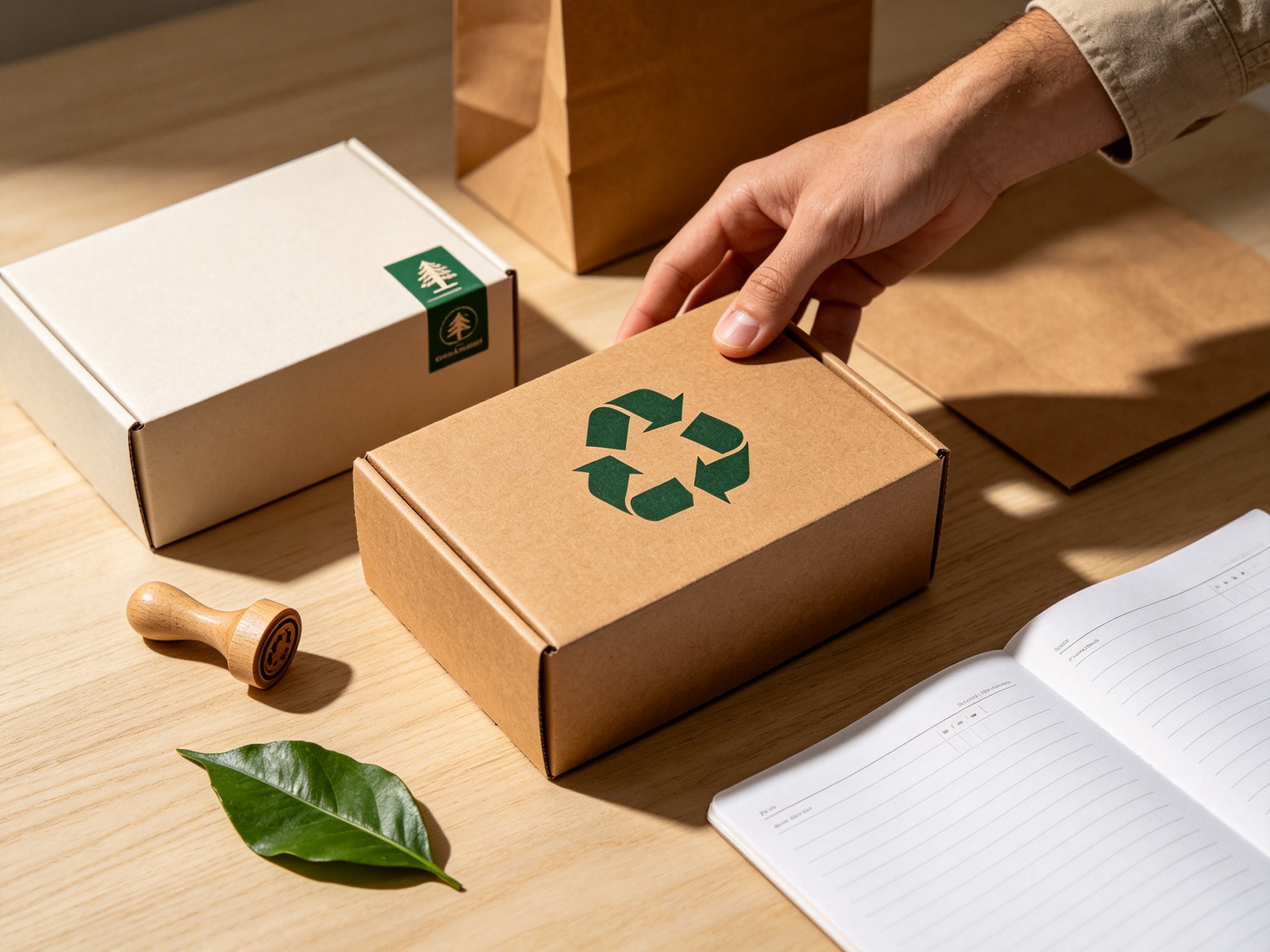
What This Means for Your Brand in Practice
If you are a brand owner, procurement manager or packaging buyer, here are the practical implications:
- Switch from ambiguous claims to verifiable facts.Instead of “green packaging,” say what it is: “100% recyclable paperboard, FSC-certified fibre, printed with water-based inks.” Specificity is now a regulatory and marketing asset.
- Design for recyclability from day one.Mono-material structures (one material type, easy to separate) are far easier to certify than multi-material laminates. A simple kraft or paperboard carton with a water-based finish is inherently more compliant than a complex composite.
- Ask for documentation.When you source packaging, request the evidence: material certificates, recycled-content declarations, and recycling-compatibility notes. A reputable manufacturer should be able to provide these without hesitation.
- Plan for lifecycle data.As digital product passports become mainstream, packaging that can carry QR codes linking to verified environmental data will become a differentiator — this is where “Substantiated Sustainability” and “Digital-Enhanced Designs” meet.
Why Paper Packaging Is the Natural Fit for 2026
The regulatory and consumer momentum around recyclability strongly favours paper and paperboard — and this is reflected in the data. Innova tracked a 4% compound annual growth in sustainable packaging claims for food & beverage products globally from 2020 to 2025, with “recyclable” the single most-used environmental claim (38% of new launches). Europe leads sustainable packaging launches (38%), followed by Asia (25%).
Paper packaging scores well on nearly every axis that 2026 demands:
- Recyclability:Paper and paperboard are among the most widely recycled materials globally, with established collection and recycling infrastructure.
- Certifiability:Fibre can be certified to FSC® or PEFC™ chain-of-custody standards, giving you a concrete, third-party-verified claim.
- Mono-material design:A well-designed paper carton, bag or rigid box can be fully recyclable without the multi-layer complexity of plastic composites.
- Consumer perception:Consumers intuitively associate paper with sustainability — but only when the claim is real.
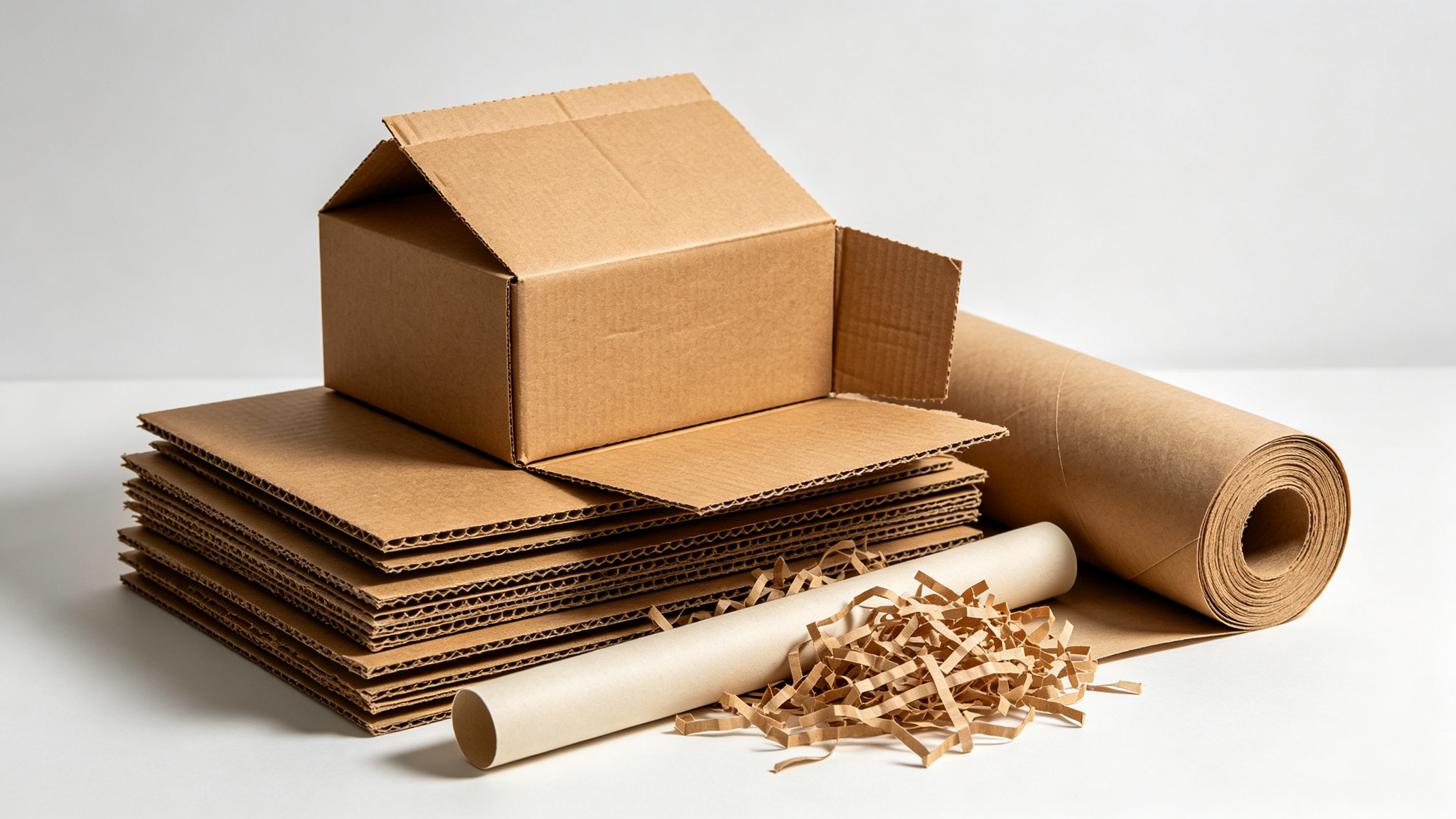
At Impetus Packaging, sustainability is engineered in, not added on. Since 2015, we have manufactured custom paper boxes and bags for global brands across retail, food, fashion, cosmetic and pharmaceutical industries. Our in-house factory uses primarily paper-based materials — art paper, ivory board, white cardboard, kraft paper, dyed paper and greyboard — and offers finishes and structural designs that keep your packaging recyclable while still delivering premium shelf appeal.
Our team helps you make compliance-backed choices: specifying FSC-certified fibre, water-based finishes, mono-material structures and print designs that minimize waste — without sacrificing the visual impact that makes your brand stand out.
Practical Steps to Start Now
- Audit your current packaging.What materials, finishes and claims are you using? Can you substantiate every claim?
- Prioritize mono-material, recyclable design.If your packaging needs a refresh, this is the direction that future-proofs you.
- Work with a manufacturer that understands compliance.Your packaging partner should be able to advise on materials, certifications and documentation — not just take orders.
- Be specific in your marketing.Convert vague claims into verifiable facts and let consumers see the evidence.
The 2026 Opportunity
The packaging trends of 2026 are not obstacles — they are an opportunity to differentiate. Brands that pair substantiated sustainability with sensory unboxing and digital-enhanced design will not only stay compliant; they will earn the trust and loyalty of the 85% of consumers who actively choose to pay more for packaging they can believe in.
If you are ready to redesign your packaging for the 2026 landscape — recyclable, certified, and built to impress — our packaging experts are happy to help. Request a free sample or a consultation today.
Sources: Innova Market Insights Top Packaging Trends 2026; EU Packaging and Packaging Waste Regulation (PPWR); Innova packaging consumer survey 2026.